What Does “뼈말라” Even Mean?
I love K-style.
I love the clean outfits, the soft colors, the effortless airport looks, the neat hair, the tiny bags that barely fit anything, and the way a simple blazer can suddenly make someone look like they have their whole life together.
But I do not love where the “bone-skinny” conversation is going.
In Korea, the word “뼈말라” is often used to describe an extremely thin body type. Sometimes people say it casually. Sometimes they say it like a compliment. And sometimes, honestly, it makes me want to close the app and eat a proper meal out of pure rebellion.
This article is not a diet guide. It is not here to shame naturally thin people either. Some people are naturally slim, and that is their body.
The problem starts when extreme thinness becomes a goal, a trend, or something young fans feel pressured to copy.
Why This Trend Spreads So Fast Online
The reason this trend spreads so quickly is simple: visuals travel fast.
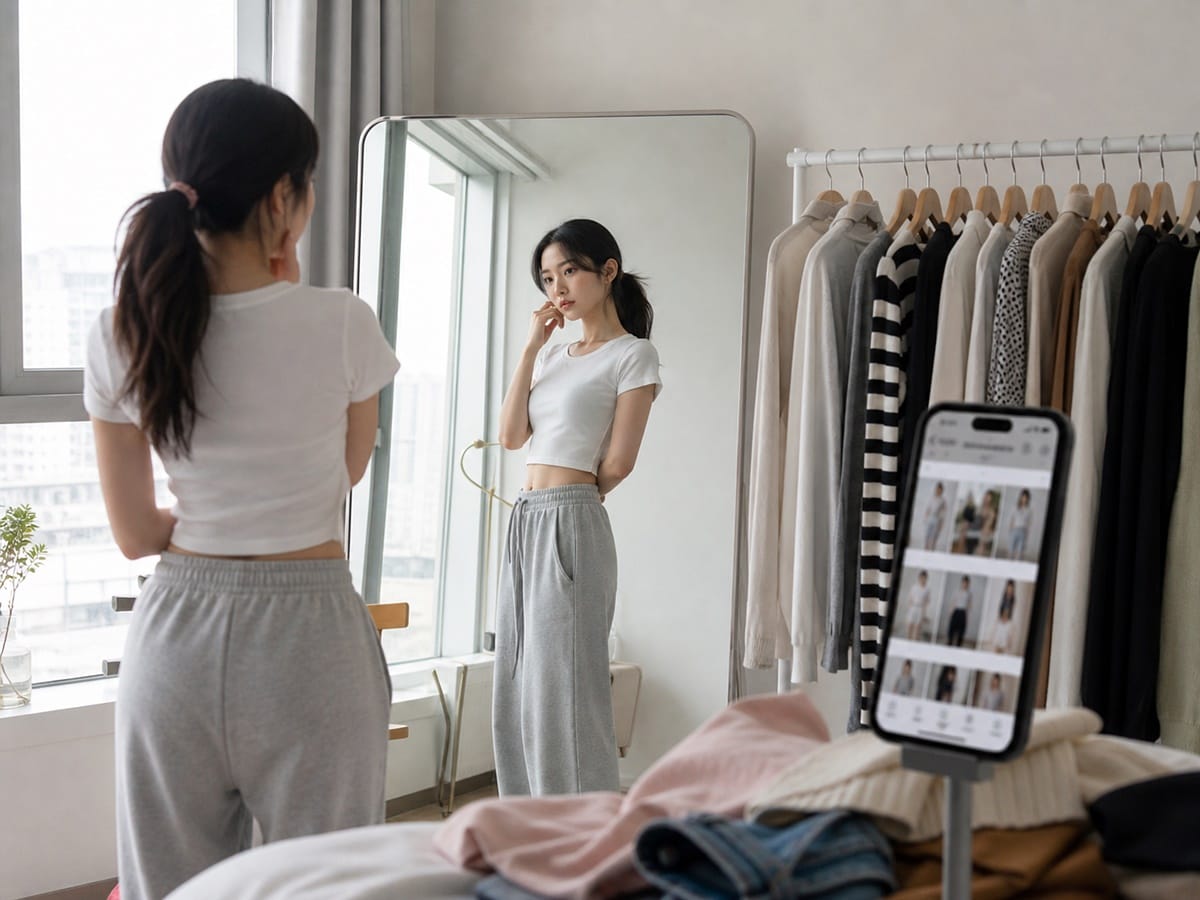
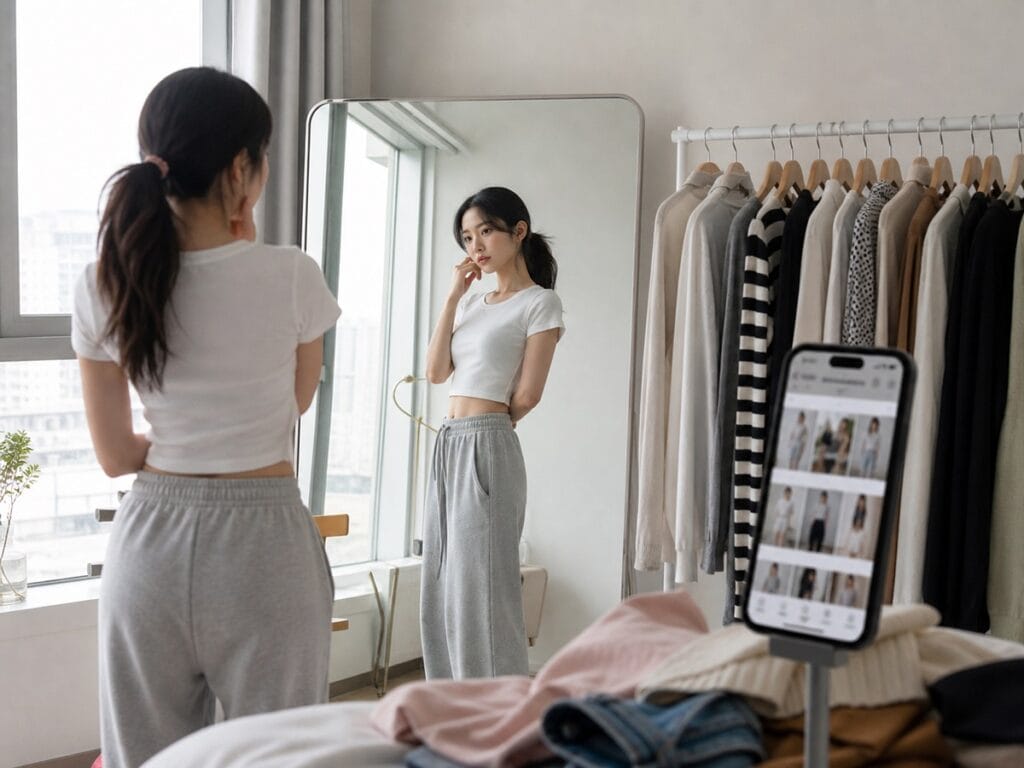
K-pop, Korean fashion, and short-form social media are all highly visual. A stage outfit, airport look, mirror selfie, or fashion clip can be shared, saved, reposted, and discussed within hours. When a very slim body becomes part of that visual language, it can start to look like a standard instead of just one person’s appearance.
In K-pop and fashion spaces, clothes are often designed to look sharp on camera. Cropped tops, low-rise pants, fitted dresses, mini skirts, and oversized layers can all make body proportions more noticeable. Social media then turns those images into trends, edits, comparisons, and style goals.
The problem is not fashion itself. The problem starts when the body becomes the trend.
That is why some foreign fans react with concern. They may enjoy K-style, but they do not want young fans to feel that looking stylish means becoming extremely thin.
Why Foreign Fans Are Side-Eyeing This Trend
Foreign fans are not usually shocked because Korea has beauty standards. Every country has beauty standards.
For many international readers, the Korea bone skinny trend is not just a fashion topic but a wider conversation about beauty standards, body image, and online pressure.
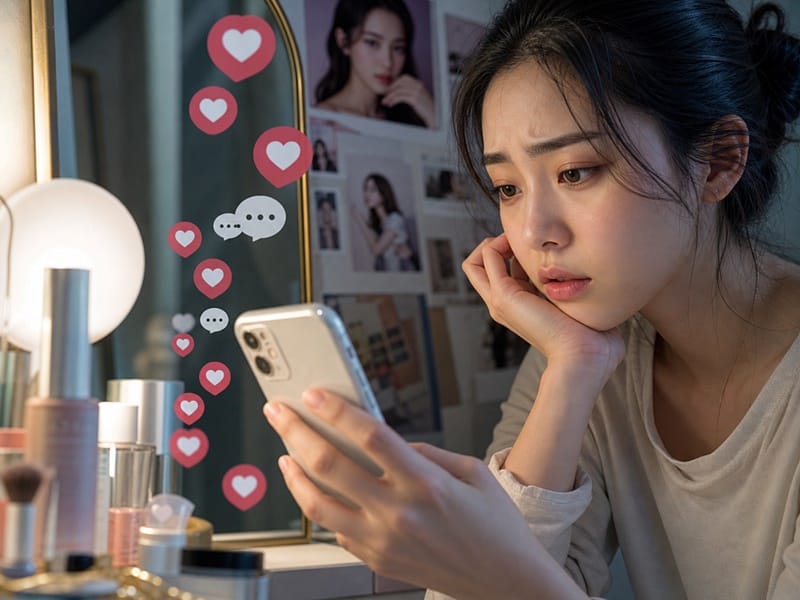
What worries many fans is how intense and visible those standards can feel online.
A single photo can become a debate. A body type can become a trend. A phrase like “bone-skinny” can move from internet slang into beauty content, fashion conversations, and even commercial language.
Health authorities in Korea have also warned about online trends that promote extremely thin looks, including “bone arms” or “skeletally thin” ideals, because they may encourage dangerous weight-loss behavior and eating-disorder-related attitudes.
That is why the conversation matters. It is not about criticizing naturally thin people. Some people are naturally slim, and body-shaming thin people is still body-shaming.
The issue is different.
The concern is what happens when extreme thinness becomes something people feel pressured to chase.
When a Beauty Trend Starts Looking Like a Health Problem
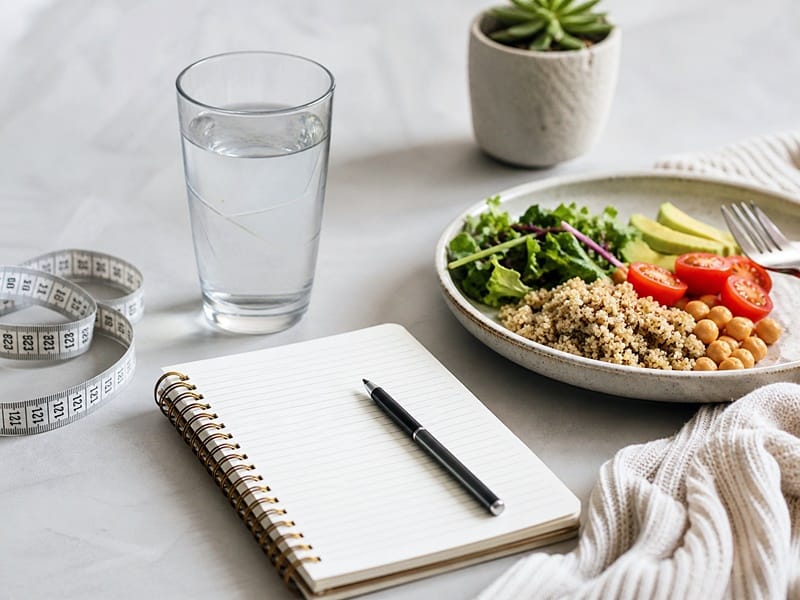
Extreme dieting is not just a beauty issue. It can become a health issue.
When people try to force their bodies into an extreme shape, especially through restriction, skipping meals, unsafe pills, or online “thinspiration” communities, the risks can become serious.
Experts and health organizations have linked media pressure and body dissatisfaction to disordered eating behaviors. The National Eating Disorders Association explains that media is not the only cause of eating disorders, but exposure to appearance pressure can increase body dissatisfaction and disordered eating risks.
Recent research has also found that exposure to weight-loss content online is associated with poorer body image and disordered eating.
This is why the “bone-skinny” conversation should not be treated like a cute trend. It may look like fashion content at first, but it can affect how people think about food, bodies, self-worth, and beauty.
A body standard becomes dangerous when people start believing they need to harm themselves to fit it.
K-Style Should Not Come in Only One Body Size
This is where the conversation needs to change.
K-style is not powerful because everyone has the same body. It is powerful because the styling is smart.
The best parts of Korean style often come from:
| K-Style Element | Why It Works |
|---|---|
| Clean silhouettes | Makes outfits look polished |
| Layering | Adds depth without looking messy |
| Neutral colors | Makes clothes look refined |
| Balanced proportions | Helps outfits feel intentional |
| Simple accessories | Keeps the look modern |
| Good fit | Makes basic pieces look expensive |
None of these require an extreme body standard.
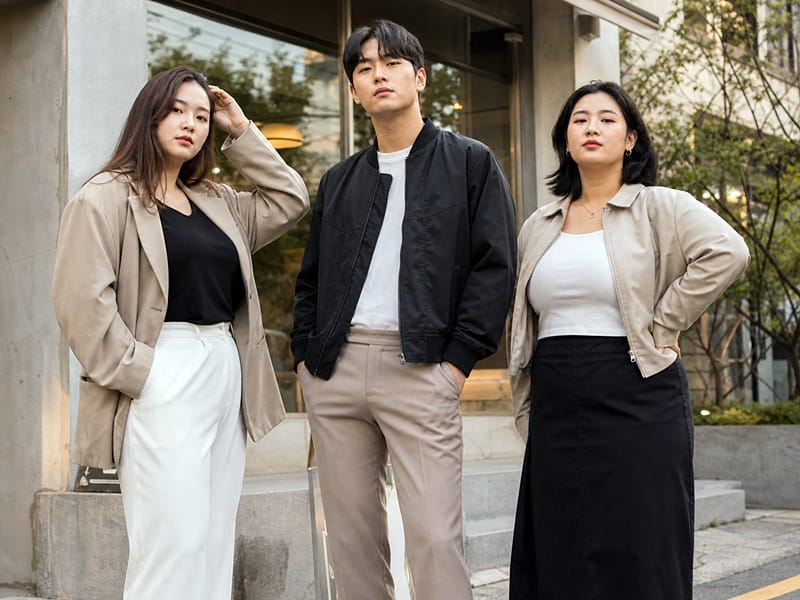
A blazer can look good on different body types. Wide-leg trousers can be styled in many ways. A neutral outfit can look polished without being restrictive. A clean hairstyle, simple bag, good shoes, and confident posture can change the whole mood of an outfit.
That is the healthier version of K-style: not shrinking the body, but styling the outfit better.
The K-Style I Actually Want to See More Of
The strongest style lesson from K-fashion is not “be thinner.”
It is this:
Make the outfit look intentional.
That can mean choosing clothes that fit properly, balancing loose and fitted pieces, keeping colors clean, and using accessories carefully. It can also mean wearing clothes that make you feel comfortable enough to actually move, eat, travel, work, and live.
Fashion should not make people feel punished.
A healthy K-style approach focuses on:
- Fit, not body size
- Balance, not restriction
- Confidence, not comparison
- Styling, not self-criticism
- Comfort, not punishment
This is especially important for younger fans who see K-pop and Korean fashion online every day. Inspiration can be fun, but comparison can become exhausting.
For a healthier styling approach, read our guide on how to dress expensive without buying luxury brands.
Why People Are Arguing About It
The bone-skinny trend became controversial because it sits at the intersection of beauty, entertainment, fashion, and health.
Some people see it as just another online aesthetic. Others see it as a warning sign.
Both reactions explain why the topic keeps getting attention.
For fans, the issue is not whether someone is naturally thin. The issue is whether social media is turning extreme thinness into something aspirational. When beauty content starts making people feel that their normal body is not enough, the trend becomes more than fashion.
It becomes pressure.
And pressure is exactly what many foreign fans are noticing.
Final Thoughts: I Like Style, Not Self-Punishment
Korea’s bone skinny trend is not just about fashion. It is about how beauty standards move through K-pop, social media, and everyday style culture.
The trend may be viral, but that does not mean it is harmless.
Foreign fans are right to ask questions. Why is extreme thinness being praised? Why are young people comparing themselves to edited photos, stage styling, and online beauty ideals? And why does looking stylish sometimes get confused with looking smaller?
Healthy K-style should be about fit, balance, proportion, and confidence. It should not require anyone to chase an extreme body standard.
Because in the end, the best outfit is not the one that makes you disappear.
It is the one that lets you show up comfortably, confidently, and fully as yourself.
And if we are being honest, some of us are not exactly in danger of becoming “bone-skinny” anytime soon. I, for one, am living very safely in the healthy-body zone.