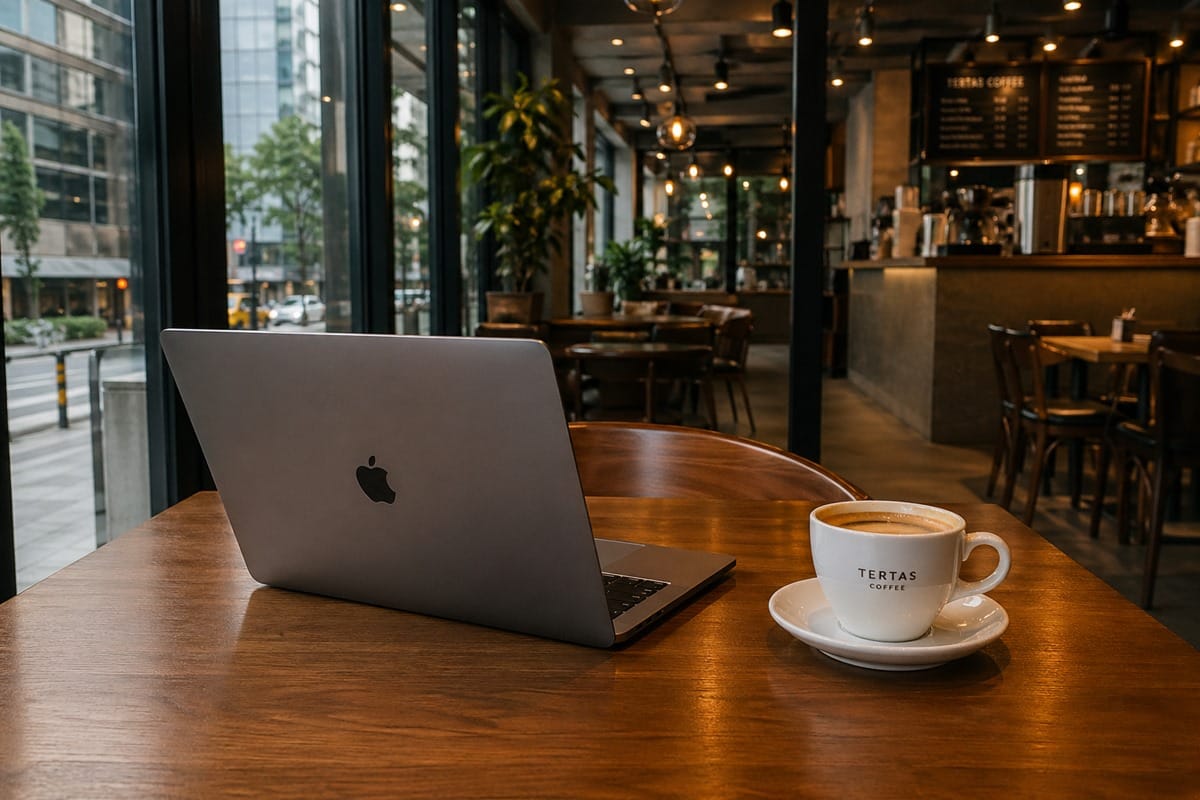
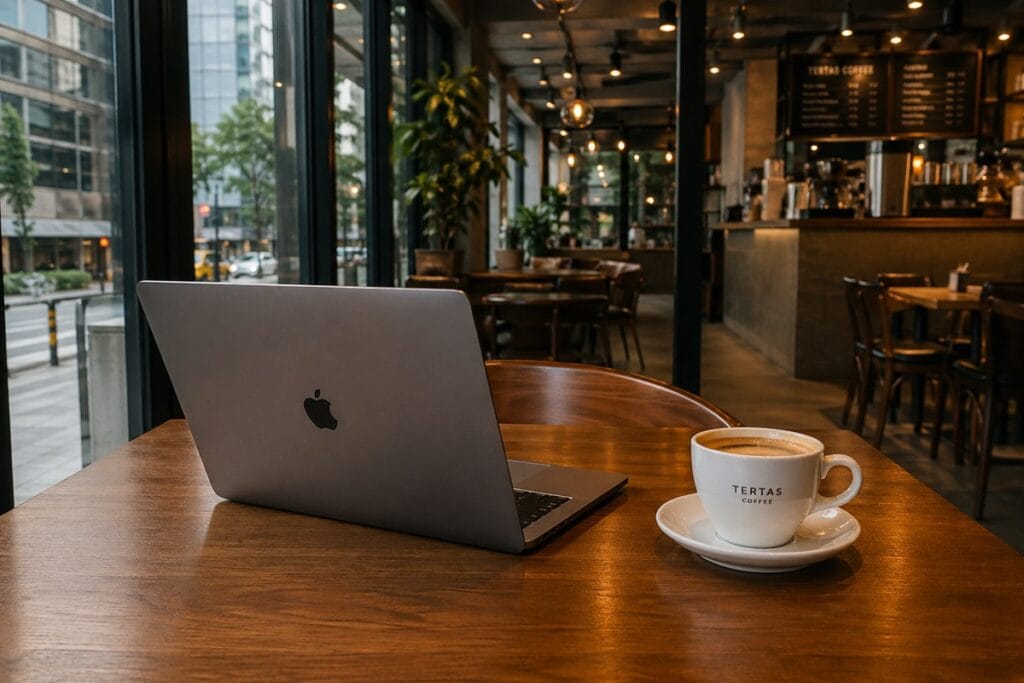
Imagine walking into a bustling cafe in the heart of Seoul, placing your $2,000 MacBook and a designer wallet on a table, and then leaving for three full hours to grab lunch. In most major cities, this would be a one-way ticket to losing your belongings. However, the South Korea safety culture makes this a perfectly normal part of daily life.
As an editor who has spent years navigating the high-energy streets of Seoul for kstarvibe.com, even I find this “unspoken trust” to be one of the most fascinating cultural phenomena. Why is it that in a country that moves faster than light, your personal property remains perfectly still? That strange mix of speed, trust, and social pressure is what makes Seoul feel so different.
The “Pali-Pali” Spirit: Why Korea Moves So Fast
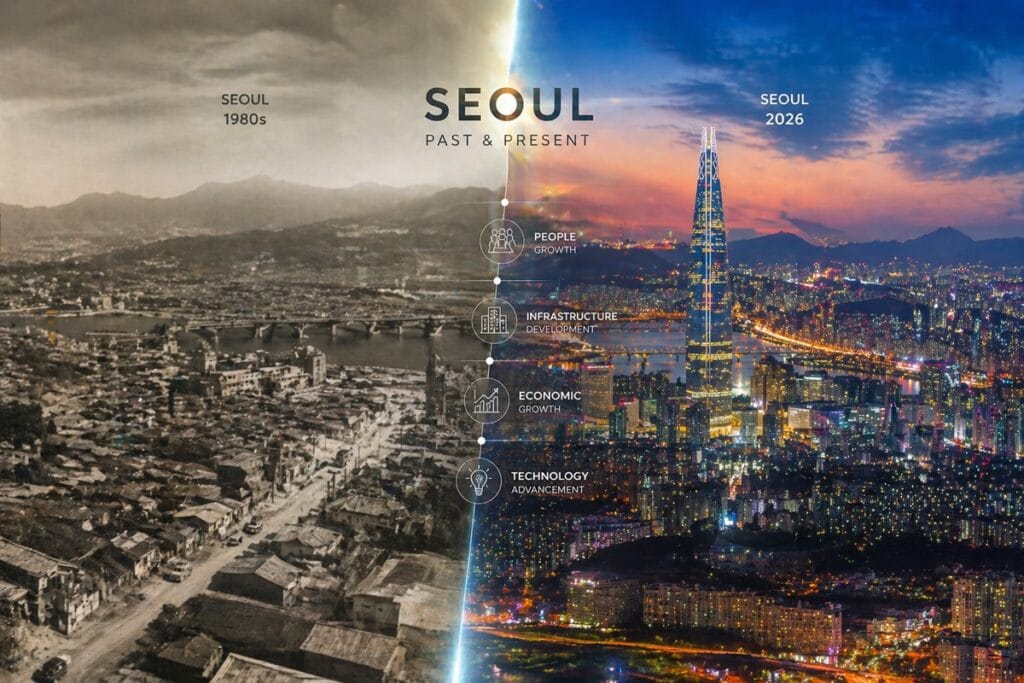
To understand Korea’s safety, you first have to understand our obsession with speed. We call it “Pali-Pali” (Hurry, Hurry). It’s the invisible force that transformed a war-torn peninsula into a global tech leader in record time.
- Efficiency as a Virtue: In 2026, “Pali-Pali” has evolved into a hyper-efficient infrastructure where 1-hour grocery deliveries and 3-hour cross-country trains are the standard.
- The Editor’s Take: In my experience, this speed isn’t about impatience—it’s about a collective passion for the future. We move fast so we can achieve more, and this drive is exactly why K-pop and K-fashion trends dominate the globe before other countries even notice them.
The Secret Behind South Korea Safety Culture: It’s Not Just About CCTVs
Foreigners often joke that Korean CCTVs are powered by AI that can sense a crime before it happens. While our security tech is indeed top-tier, the true “secret sauce” of our safety is Social Trust.
Integrity as a Social Contract
In Korea, there is a deep-seated belief in communal integrity. Taking someone else’s property isn’t just a crime; it’s a source of immense social shame that stays with you.
- Social Eyes: More than the cameras on the walls, it’s the “eyes of the public” that act as a deterrent. We are raised to respect what belongs to others as a matter of basic social etiquette.
- Convenience over Greed: Most Koreans value a safe, convenient society more than the temporary gain of a stolen device. This allows us to focus on our work and coffee without the constant anxiety of being robbed.
“If you want to dive deeper into the historical roots of this rapid growth, Britannica offers a detailed look at the Miracle on the Han River.”
Building a Powerhouse: Education and Resilience
The rapid growth of the “K-Brand” wasn’t a fluke. With zero natural resources, Korea invested in the only asset it had: Human Capital.
- Obsession with Education: This created a highly skilled, tech-savvy population that can adapt to global shifts in a heartbeat.
- Resilience in the DNA: Having built the nation from nothing, Koreans have a “can-do” spirit that is infectious. This resilience is what makes Korea a global leader in innovation, from AI-driven skincare to stadium-filling music.
Conclusion: A Land of Dynamic Paradoxes
South Korea in 2026 is a fascinating paradox—a place that moves faster than any other, yet maintains a level of safety that feels like a quiet sanctuary. It’s a land where extreme hustle meets extreme trust.
If you’re planning to visit, I invite you to try the “Cafe Test” (maybe start with a book first!). You’ll realize that the true “K-Vibe” isn’t just about what we build, but the incredible trust we share with one another every single day.
“P.S. As I finish writing this, I’m actually putting this to the test. I’m leaving my MacBook right here on the table and heading out for some delicious Tteokbokki. If this post actually gets published… well, you know the experiment was a success! See you in the next one!”