If you’ve spent any time on Netflix lately, you’ve likely seen the surge in K-content like K-pop Hunters. It’s no wonder Seoul’s streets are buzzing with more international energy than ever. But here is the thing: in 2026, “sightseeing” is dead. Today’s travelers don’t want to just stare at a monument—they want to live the story.
As someone who tracks the heartbeat of Seoul daily at KstarVibe, I’ve noticed a shift. Travelers are moving away from crowded tour buses and searching for the most authentic K-culture experiences Seoul has to offer—those that provide “Jeong” (정), that unique Korean sense of deep, soulful connection. Whether you’re a die-hard fan or a foodie looking for that legendary street bite, you need a plan that goes beyond the guidebook. Here are the top 5 K-culture experiences Seoul is famous for that are currently breaking the internet and redefining what it means to visit Korea.
Authentic K-culture experiences Seoul: The Hanbok Palace Stroll
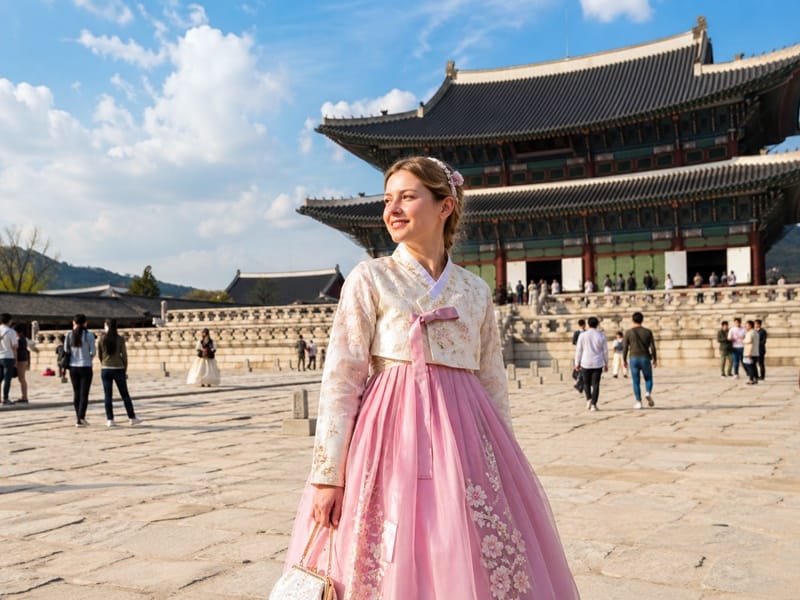
Walking through the massive gates of Gyeongbokgung Palace or the stone alleys of Bukchon Hanok Village in full silk regalia shifts the atmosphere. It’s a sensory bridge between the Joseon Dynasty and the 21st century.
KstarVibe Insider Tip: Don’t just settle for any rental. Look for “Premium Hanbok” shops that offer traditional hair braiding (Daenggi) with pearls and ornaments. It makes your photos look like a high-end editorial shoot. Plus, here is a secret: if you wear a Hanbok, entry to the major palaces is completely free!
official Gyeongbokgung Palace guide
Join the Lineup: K-Pop Dance Classes in Hongdae
Thanks to global hits and shows like K-pop Hunters, the world isn’t just listening to K-pop; they’re moving to it. If you walk through Hongdae or Gangnam at night, you’ll hear the bass dropping from basement studios where the next generation of global fans is being born.
From Fan to Performer
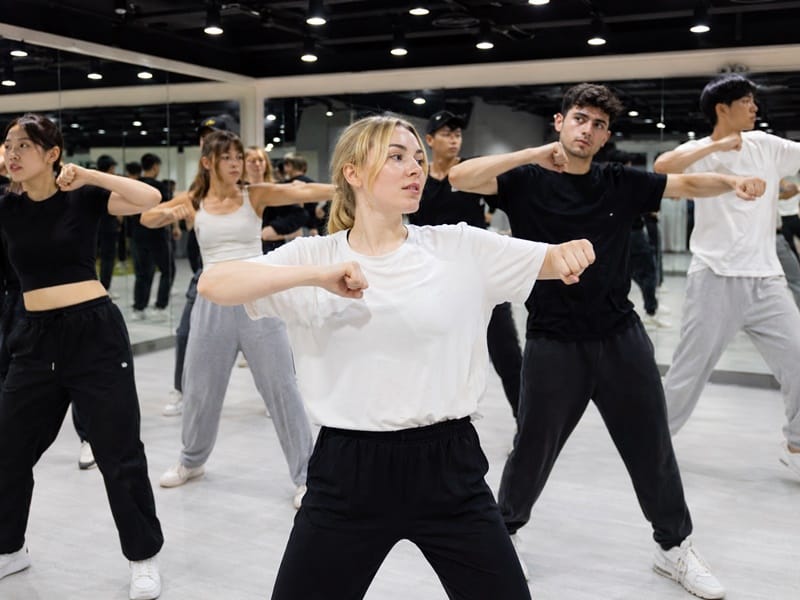
These aren’t just “classes”; they are high-energy social hubs. Famous studios like 1MILLION or specialized foreigner-friendly classes in Hongdae offer 2-hour sessions where you learn the “point choreography” of NewJeans, IVE, or BTS.
Why it’s viral: Most studios now offer a “Video Shooting” service at the end of class. They turn down the lights, bring out the 4K cameras, and you get a professional-grade cover video to drop on your TikTok or Instagram Reels immediately. It’s the ultimate “I did this in Korea” flex that gains thousands of views.
The 5-Senses Feast: Traditional Markets & Street Food
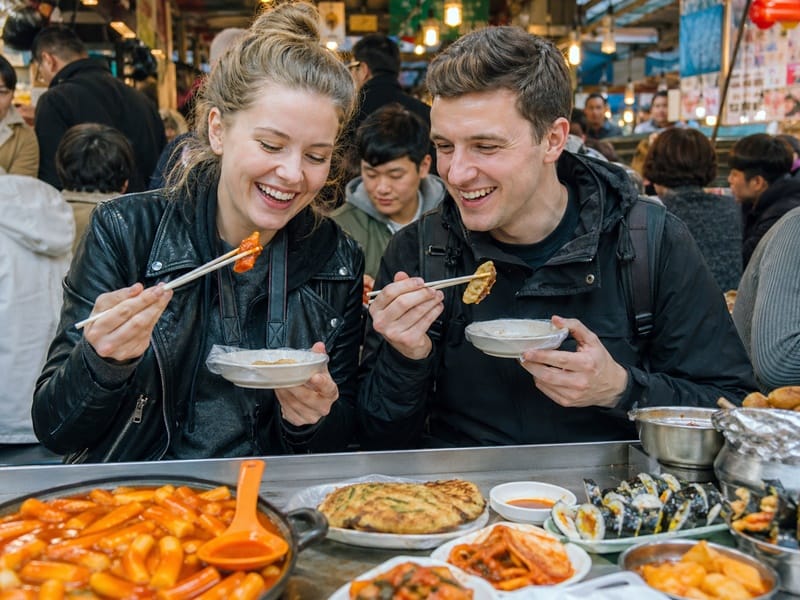
You haven’t truly tasted Korea until you’ve sat on a heated bench at Gwangjang Market, surrounded by the steam of a hundred boiling pots and the rhythmic sound of vendors chopping ingredients.
“Jeong” and the Art of Street Food
While Gwangjang is world-famous for its Bindaetteok (mung bean pancakes) and Mayak Kimbap, the real magic is the connection with the vendors. Even if they don’t speak a word of English, a warm smile and a sincere “Mashisoyo!” (It’s delicious!) will often earn you an extra dumpling or a warmer seat.
The 2026 Twist: After the market, many travelers are taking the “Convenience Store Challenge.” They take fresh ingredients from the market and mix them with viral GS25 or CU instant finds to create a “fusion feast” that is purely 21st-century Seoul.
“Check out the [Top 10 Most Popular K-pop Idols in 2026] to see if your favorite stars made the global list.”
Slow Living: Crafting Souvenirs with a Soul
In an era of mass-produced plastic, travelers are gravitating toward Traditional Crafts. This is where “Slow Travel” meets Korean heritage.
Pottery, Knots, and Hanji
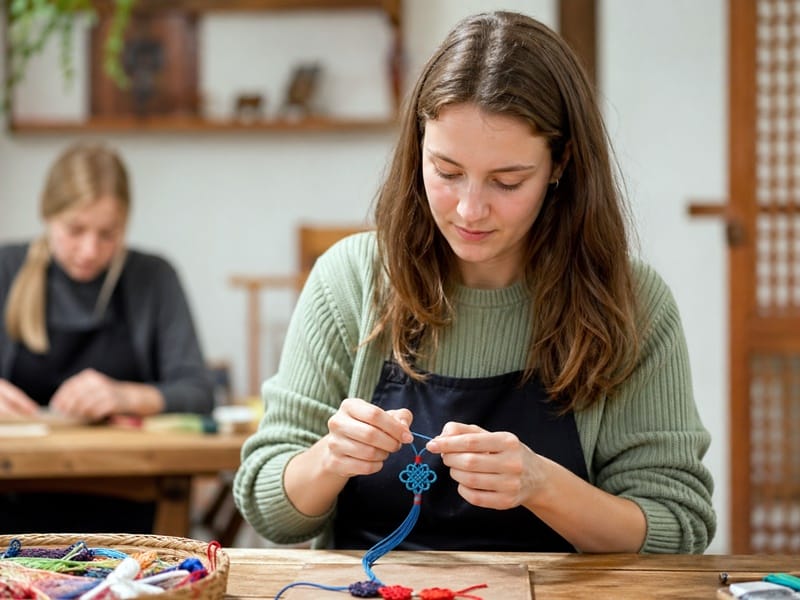
Whether it’s shaping your own Goryeo-style pottery in Insa-dong or tying intricate Maedeup (Korean knots) for a handmade bracelet, these experiences offer a meditative break from the city’s hustle.
The KstarVibe Perspective: My personal favorite is the Hanji (Mulberry Paper) Workshop. You can craft a lamp that glows with a soft, ancient warmth. Most workshops now offer to engrave your name in Hangeul (the Korean alphabet) on your creations. It’s not just a souvenir; it’s a piece of history that you built with your own hands.
The Ultimate Reset: Jjimjilbang & Wellness
If you want to know how K-pop idols keep their skin so “glass-like” even with a packed schedule, the answer is the Jjimjilbang.
Salt Rooms and Sheep Heads
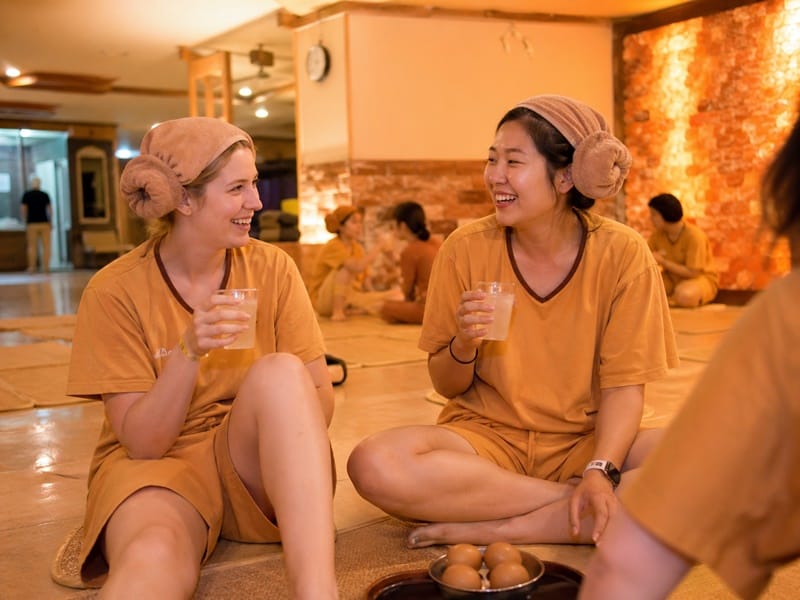
A Jjimjilbang is a 24-hour spa, but it’s really a social cathedral. You’ll see families, friends, and waves of international fans rocking the iconic “sheep head” towel look.
The Must-Do Ritual:
- The Sweat: Start in the Red Clay Room and move to the Oxygen Room.
- The Scrub: If you’re brave, get a “Seshin” (full-body scrub). It’s intense, but your skin will never feel smoother.
- The Fuel: You haven’t finished until you’ve had a cold Sikhye (sweet rice drink) and cracked a roasted egg on your friend’s head. It’s the quintessential Korean bonding ritual.
Final Thoughts on K-culture experiences Seoul in 2026
Seoul in 2026 is an open playground for the curious. Whether you’re learning a dance move that will live on your TikTok forever or feeling the texture of a 1,000-year-old craft, the best experiences are the ones where you stop being a spectator and start being a participant.
These five activities don’t just fill your itinerary; they fill your heart with the spirit of Korea. Which of these is going on your 2026 bucket list? Let us know in the comments below!
“To complete your ultimate fan itinerary, don’t forget to check out our [Seoul K-Pop Guide 2026: 5 Amazing Must-Visit Spots Every Fan Will Love].”